Learn how to use traditonal paints to protect and decorate historic buildings

Learn how to use traditonal paints to protect and decorate historic buildings
Mastering the Breathable Building: A Specialist Training Day for Historic Paints & Pigments. **Unlock the Secrets of Traditional Finishes for Heritage Properties**
Are you a contractor, specifier, or dedicated DIY enthusiast passionate about preserving historic buildings? A building's longevity often lies not in sealing it, but in letting it breathe. Join our exclusive training day, "Breathable Buildings: Traditional Paints & Pigments," for a deep dive into the materials and methods that have protected our heritage for centuries.
The Challenge: Modern Problems in Historic Walls
Historic buildings, solid wall construction and those with timber frames have plaster and render, which manage moisture through evaporation. Modern, plastic-based paints trap this moisture, leading to devastating consequences: peeling, cracking, damp, and ultimately, structural decay. This training day provides the solution, equipping you to specify and apply the correct, vapour-permeable finishes that work with the building, not against it.
What You Will Learn:
This intensive, hands-on day builds your expertise from the ground up.
- The Science of Breathability: Understand the crucial difference between vapour-permeable and vapour-closed systems and why the right choice is non-negotiable for historic fabric.
- Understanding Historic Paints & Pigments: Explore the history and composition of traditional materials, and discover how to create authentic palettes using natural earth and mineral pigments.
- Internal vs. External Applications: Master the specific requirements for interior and exterior surfaces. We will cover surface preparation for timber, plaster, and render, and demonstrate the correct application techniques for each finish to ensure maximum durability and aesthetic appeal.
- Hands-On Practical Sessions: Move from theory to practice. Under expert guidance, you will prepare surfaces and apply lime wash and distemper to sample panels, and plant oil-based paints, gaining the confidence to execute these techniques on your own projects.
- Specification & Troubleshooting: For specifiers and contractors, we'll cover how to write robust specifications for breathable systems and troubleshoot common issues like efflorescence and poor adhesion.
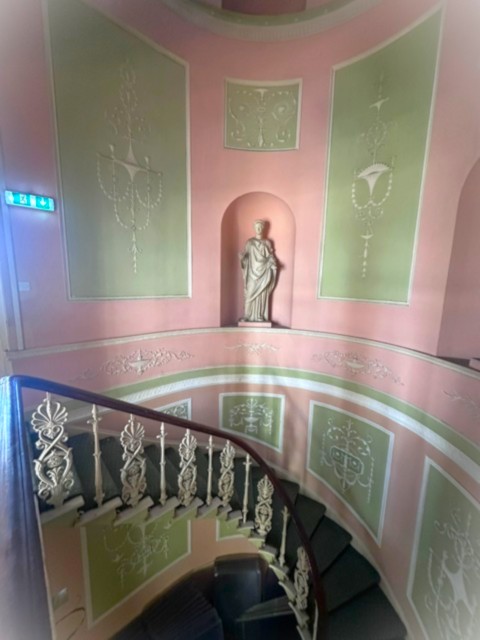
What You Will Learn
To ensure you leave with a practical understanding of these heritage materials, the training day breaks down the specific nature and application of each traditional finish. You will learn not just *how* to apply them, but *why* they are the correct choice for specific historic substrates.
Limewash:
Limewash is one of the oldest and most fundamental breathable coatings, made simply from lime putty or quicklime mixed with water. It works by sinking into porous surfaces like lime plaster, render, stone, and brick, hardening as it absorbs carbon dioxide from the air to form a crystalline, matt finish. Its primary use is as a protective, vapour-permeable coating for external walls, where it acts as a sacrificial barrier against driving rain while allowing internal moisture to evaporate freely. You will learn how to prepare and dampen surfaces correctly, and why multiple thin coats—rather than one thick layer—are essential for a durable finish. Internally, it provides a beautiful soft finish, but it can dust easily. The training also covers distempers and water-based natural oil-bound paints.
Distemper:
Distemper (often historically called calcimine or glue paint) is a water-based paint with a more delicate nature than limewash. It is typically bound with chalk and a binder such as animal glue, casein, or gum, and dries to a distinctive, soft matt finish. Its primary use is on interior walls and ceilings, particularly historic plaster, where its thin, permeable film suits decorative schemes without trapping moisture. The course will cover how to work with its quick-drying nature and how to achieve the subtle, chalky aesthetic that makes distemper so characteristic of period interiors.
Oil-bound distemper:
After walls have dried out, you can use traditional oil-bound distempers, and the course will show you how to make and use these harder-wearing internal wall paints, which can hold stronger colours using natural mineral pigments.
Waterglass (Silicate) Paint: The Mineral Binder
Waterglass paint, also known as silicate mineral paint, uses potassium silicate as a binder rather than lime or organic glues. This liquid "water glass" chemically reacts with mineral substrates to create an incredibly durable, petrified bond that becomes part of the wall itself. **Its primary use** is for highly durable, weather-resistant external coatings on mineral surfaces like render and masonry, offering exceptional resistance to acid rain and industrial pollution while maintaining high vapour permeability. For specifiers and contractors, we will discuss its specific limitations, such as the need for a sound, mineral substrate and the restricted palette of inorganic, lightfast pigments required for chemical stability. Internally ‘active’ waterglass paints produce very durable, breathable finishes, and you will gain experience using these paints as well.
Pigments: The Historic Palette
Understanding the binder is only half the story; the pigment dictates the aesthetic. We will provide you with a history of colour and interior painted designs, and you will explore the difference between traditional earth and mineral pigments (such as ochres, umbers, and green earths) and modern synthetic alternatives. We will demonstrate how to mull and mix pigments into limewash and distemper to create authentic, historically appropriate colours, from the soft creams and earth reds favoured for exteriors to the subtle greens and yellows found in period interiors.
Why Choose This Course?
Led by industry-leading experts in historic building conservation, Dr Mark Womersley, this day offers practical, actionable knowledge you can apply immediately. You'll leave with the confidence to select and use traditional materials correctly, ensuring your work contributes to the long-term health of our historic buildings.